NEW US ENVOY PREPARING FOR TRAVEL TO PHILIPPINES
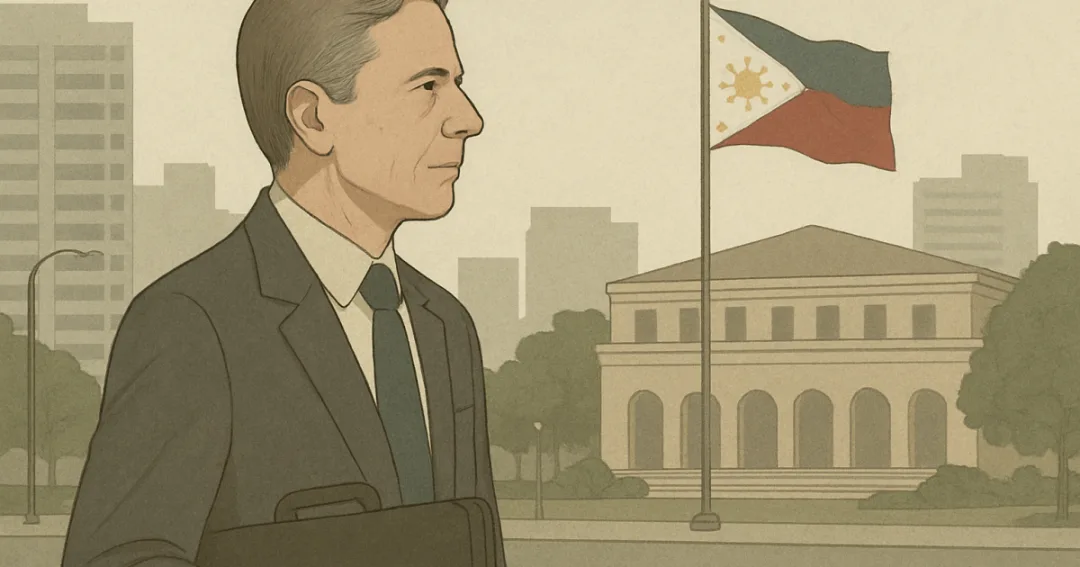
The announcement that a new United States envoy is preparing to travel to the Philippines comes at a moment when both countries are carefully recalibrating their roles in a changing regional landscape. Ambassadors often arrive with a mandate to listen as much as to speak, and this visit will be closely watched for clues about how Washington intends to frame its relationship with Manila in the coming years. The Philippines occupies a strategic position in maritime Asia, sits at the crossroads of major trade routes, and is a longstanding treaty ally of the United States. Any change in tone, emphasis, or diplomatic style from a new envoy can therefore ripple beyond bilateral ties, influencing how other regional actors read the balance of interests in Southeast Asia. This is not simply a matter of protocol; it is a test of how both sides intend to manage convergence and divergence in their priorities.
Historically, the US-Philippines relationship has been shaped by a mix of security cooperation, economic engagement, and cultural ties, alongside periods of tension and renegotiation. From the era of military bases to more recent arrangements on defense cooperation and maritime exercises, each phase has required careful diplomatic management. Domestic debates in both countries—about sovereignty, economic dependency, and great-power competition—have regularly influenced how leaders interpret the alliance. A new envoy steps into this layered history, where public expectations are shaped not only by current events but also by memories of earlier chapters in the relationship. The challenge will be to acknowledge that history without becoming captive to it, and to understand that both societies have evolved in ways that demand updated approaches.
The timing of the envoy’s travel also intersects with broader regional concerns, including maritime security, economic resilience, and the shifting dynamics among major powers in Asia. For the Philippines, questions about how to safeguard its interests at sea, attract sustainable investment, and protect the welfare of its overseas workers often intersect with its dealings with Washington. For the United States, the Philippines is part of a wider network of partnerships it relies on to demonstrate a continuing commitment to the Indo-Pacific. An envoy’s initial meetings, public statements, and choice of themes will be interpreted as signals of how these overlapping concerns will be prioritized. Even if no dramatic announcements are made, the tone of early engagements can either build confidence or deepen skepticism among key constituencies.
Beyond security and geopolitics, there is an opportunity for the new envoy to underscore less headline-grabbing but equally important dimensions of the relationship. Cooperation in areas such as climate resilience, public health, education, and digital governance can resonate with ordinary citizens in ways that abstract strategic language does not. The Philippines is highly exposed to climate-related risks, and its experience with disasters and public health emergencies has highlighted the value of reliable partners. Emphasizing support for institutional capacity, transparent governance, and inclusive growth can help frame the alliance as something that serves people rather than just states. If the envoy can connect high-level strategy with everyday concerns, it may broaden the base of public support for constructive engagement.
Ultimately, the significance of this envoy’s upcoming travel lies less in the symbolism of arrival and more in the consistency of what follows. Diplomatic visits can open doors, but sustaining trust requires steady communication, realistic expectations, and a willingness to navigate disagreements without resorting to public confrontation. Both Washington and Manila face domestic pressures and external uncertainties that will test the resilience of their partnership. As the new envoy prepares to step onto Philippine soil, the real question is whether both sides can use this