PAGASA: 6 MINDANAO PROVINCES, DAVAO CITY UNDER DRY SPELL
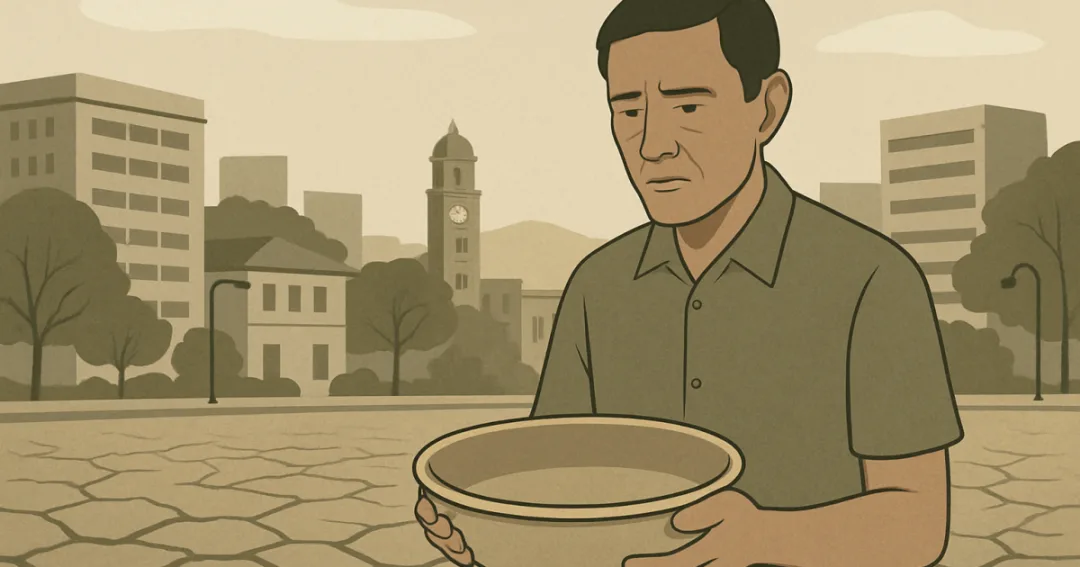
The announcement that several Mindanao provinces and Davao City are now under a dry spell should be read as more than a passing weather update. It signals a shift in local conditions that can affect food production, water security, and everyday life. When rainfall drops significantly below normal for a sustained period, the impacts accumulate quietly: crops become stressed, rivers and reservoirs fall, and communities begin to feel the strain. In a region that plays a crucial role in the country’s agricultural output, prolonged dryness is not just a local inconvenience but a national concern. The situation calls for a careful, measured response that treats climate-related risks as part of long-term planning rather than short-term disruption.
Mindanao’s vulnerability to dry spells is not new, but it is becoming more visible. Periodic episodes of reduced rainfall have long been associated with larger climate patterns, and communities have adapted in varying degrees. What appears to be changing is the frequency and intensity of these events, intersecting with population growth, expanding urban centers, and increasing demand for water and energy. Davao City, as a major urban hub, illustrates how climate stresses are no longer confined to rural farmlands. When a city faces a dry spell alongside its surrounding provinces, the pressures on water systems, food supply chains, and local economies become intertwined.
The agricultural sector stands at the frontline of this development. Farmers dependent on rain-fed systems have limited room to maneuver when precipitation drops below normal for weeks at a time. Reduced yields can ripple outward, affecting market prices, household incomes, and food availability beyond Mindanao. Livestock and fisheries may also feel indirect effects as water sources shrink and feed becomes more costly. While irrigation and modern technology can cushion some of the blow, these tools are unevenly distributed and often reach small producers last, reinforcing existing vulnerabilities.
The current dry spell also tests the capacity of institutions tasked with monitoring, planning, and responding to climate-related hazards. Early warnings from weather agencies are only as effective as the preparedness of local governments, service providers, and communities that receive them. This moment underscores the importance of investing in climate-resilient infrastructure, from diversified water sources to more efficient distribution systems and better land management. It also highlights the need for clear communication that neither downplays the risks nor stokes alarm, but encourages practical adjustments in water use, agricultural practices, and local planning. Coordinated, data-informed action can turn a potentially disruptive episode into a learning opportunity.
Ultimately, dry spells in Mindanao are part of a larger story about how the country navigates a changing climate. Each event reveals both the strengths and gaps in current systems, from environmental governance to social safety nets. The question is not whether such episodes will recur, but how prepared communities and institutions will be when they do. Responding wisely now means treating this dry spell as a prompt to refine policies, strengthen local capacities, and deepen public awareness of climate risks. If approached with foresight rather than complacency, today’s challenge can help build a more resilient Mindanao for the seasons ahead.