REVIEW | GASOLINA
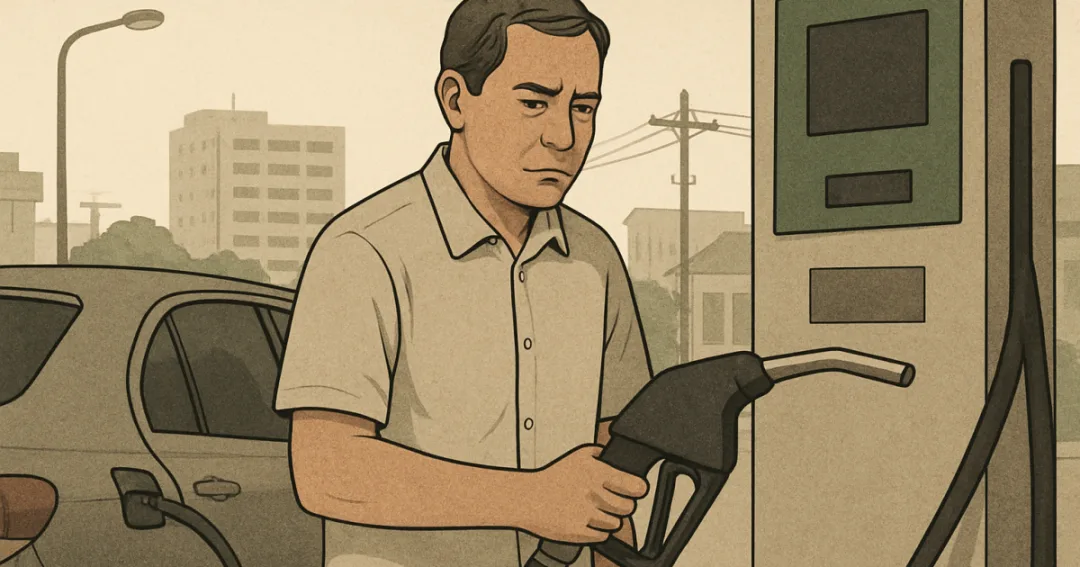
The word “gasolina” carries more than its literal meaning of fuel. It has become a cultural shorthand for mobility, aspiration, and the everyday calculations people make just to get from one place to another. Any review of “gasolina” today is therefore not only about prices at the pump, but about how a society powers its routine: commuting to work, transporting goods, and maintaining basic services. When fuel costs rise, the impact is not confined to drivers; it ripples through food prices, public transport fares, and even the cost of running schools and clinics. Examining gasoline in this broader sense helps clarify why it remains a sensitive topic in public discourse, and why discussions around it are rarely just technical or economic.
Historically, gasoline has been both an engine of growth and a source of vulnerability. For much of the modern era, economic expansion has been closely tied to the availability of affordable fuel, encouraging car ownership, suburban development, and long-distance logistics. At the same time, dependence on imported oil has exposed many economies to external shocks, from geopolitical tensions to sudden supply disruptions. Over decades, this has created a familiar cycle: periods of relative stability followed by abrupt spikes that quickly translate into higher living costs. Reviewing “gasolina” within this historical arc reveals how deeply entrenched it is in national planning, household budgeting, and even cultural expectations about mobility and convenience.
The contemporary review of gasoline, however, cannot ignore the environmental dimension. The same fuel that enables daily life is also a major contributor to greenhouse gas emissions and local air pollution. Global discussions about climate commitments, energy transition, and sustainable development increasingly frame gasoline as a problem that must be managed down over time. This creates a difficult balancing act: societies still reliant on internal combustion engines must reconcile immediate affordability concerns with long-term environmental responsibilities. Any serious analysis of gasoline today must therefore situate it at the intersection of economic necessity and ecological constraint.
Public relevance emerges most clearly in the way gasoline prices influence perceptions of fairness and trust. When fuel becomes more expensive, people often question how pricing mechanisms work, whether there is adequate transparency, and if those with fewer resources are being disproportionately burdened. Institutions are expected to communicate clearly, apply policies consistently, and provide some form of cushioning for the most vulnerable, whether through targeted support or improvements in public transport. In the absence of such measures, fuel costs can become a symbol of broader discontent about inequality and governance. Conversely, well-managed responses can demonstrate that complex economic pressures are being handled with a degree of social sensitivity.
Looking ahead, any review of “gasolina” must recognize that it is both a present reality and a transitional stage. Alternatives such as electric vehicles, improved mass transit, and more efficient logistics are steadily entering mainstream conversation, though adoption remains uneven and often slow. The challenge is to ensure that the path away from gasoline is neither abrupt nor exclusionary, allowing households and businesses time to adapt while still moving decisively toward cleaner and more resilient systems. In this sense, gasoline is not only a commodity to be priced, but a mirror reflecting a society’s priorities and preparedness. How we manage it today will shape not just our monthly expenses, but the contours of mobility and opportunity in the decades to come.

![[EDITORIAL] When disunity is a stumbling block to change](https://tarana360.com/articles/images/2025-12/editorial-when-disunity-is-a-stumbling-block-to-change-1080.webp)