RONALD DELA ROSA
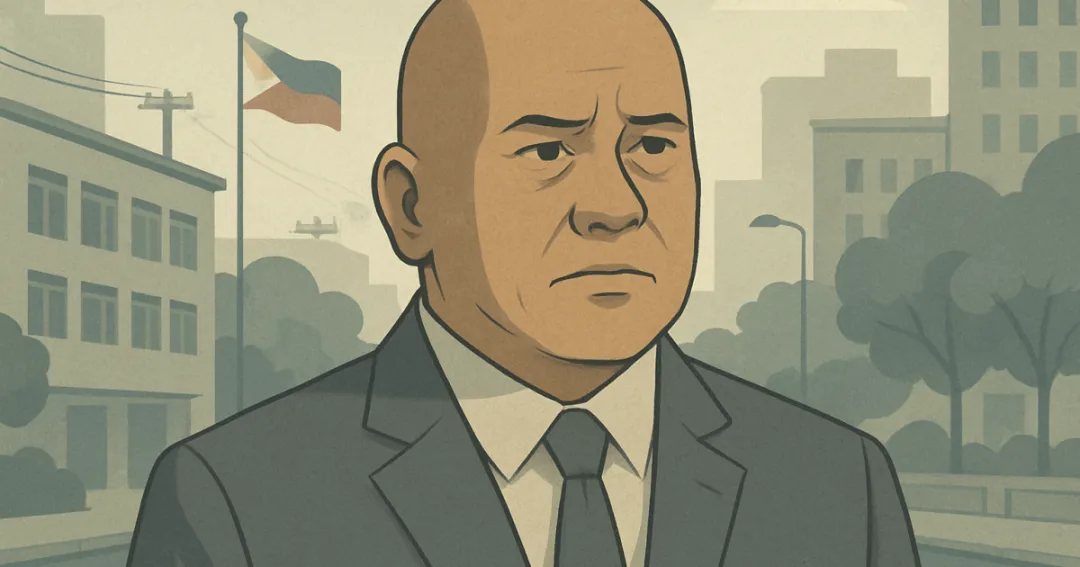
Ronald Dela Rosa occupies a distinctive place in contemporary Philippine public life, embodying both the enduring appeal of strongman-style leadership and the anxieties it provokes. Known widely for his role in the previous administration’s anti-drug campaign and later as a legislator, he symbolizes a particular approach to law and order: highly visible, personality-driven, and unapologetically forceful. For supporters, he represents firmness in the face of crime and disorder; for critics, he raises concerns about human rights, due process, and the long-term health of democratic institutions. This duality makes him more than just a political figure; he has become a lens through which the country debates what kind of security, justice, and governance it truly wants. Examining his public trajectory is therefore not merely about one man’s career, but about the choices a society makes when it feels threatened or insecure.
Historically, figures like Dela Rosa emerge in moments when public frustration with crime, corruption, or institutional weakness runs high. In many countries, the promise of swift, decisive action against perceived threats has often overshadowed quieter calls for institutional reform and rights-based approaches. The Philippines, with its long struggle against crime, insurgency, and inequality, is no exception. In this context, a tough-talking, uniformed persona can resonate deeply with communities that feel neglected or unprotected. Yet history also shows that when security policies rely heavily on force and personal authority, they can sideline the slower work of building accountable institutions, professional policing, and an independent justice system.
As Dela Rosa transitioned from the security sector into elected office, the questions surrounding his legacy became more complex. A lawmaker with a background in law enforcement brings a particular perspective to debates on crime, security, and civil liberties. This can be valuable when it grounds policy in practical experience, but it can also risk narrowing the policy lens to punitive or enforcement-heavy solutions. The public, meanwhile, is left to weigh whether such leadership strengthens the rule of law or merely the machinery of control. This tension is especially salient in a democracy where public trust in institutions is fragile and where the line between protecting citizens and infringing on their rights can easily blur.
The broader implications of Dela Rosa’s prominence reach beyond any single policy or controversy. They touch on how societies reconcile the demand for safety with the imperative of safeguarding rights and dignity. When a figure associated with aggressive security measures gains a lasting foothold in formal politics, it can normalize a particular style of governance that prioritizes order over deliberation and spectacle over institutional strengthening. At the same time, it can galvanize civil society, legal advocates, and ordinary citizens to scrutinize the conduct of authorities more closely and to insist on accountability. In this way, the debate around one individual’s record can become a catalyst for a broader conversation about what “security” should mean.
Ultimately, Ronald Dela Rosa’s role in public life invites a sober, long-term assessment rather than purely emotional reactions. The challenge for the Philippines is to move beyond personality-driven politics and toward a more mature evaluation of policies, outcomes, and institutional health. That means asking whether approaches associated with him have made communities safer in sustainable ways, whether they have strengthened or weakened democratic checks and balances, and what lessons can be drawn for future leaders. As the country continues to confront crime, inequality, and political polarization, it will need to decide whether it wants to keep turning to