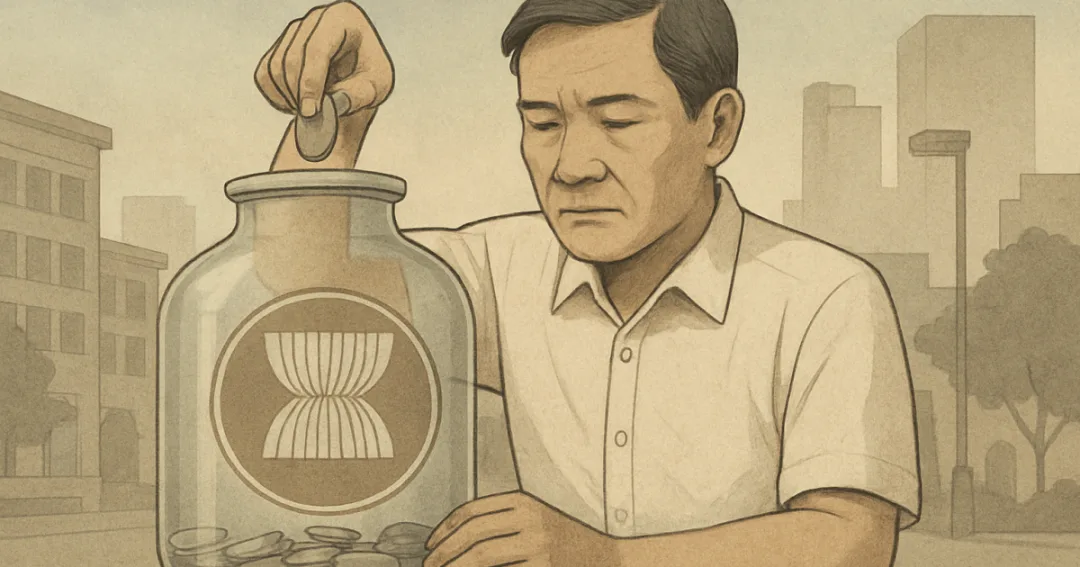
TRILLANES CLAIMS DUTERTE FAMILY RECEIVED P181M FROM BUSINESSMAN SAMMY UY
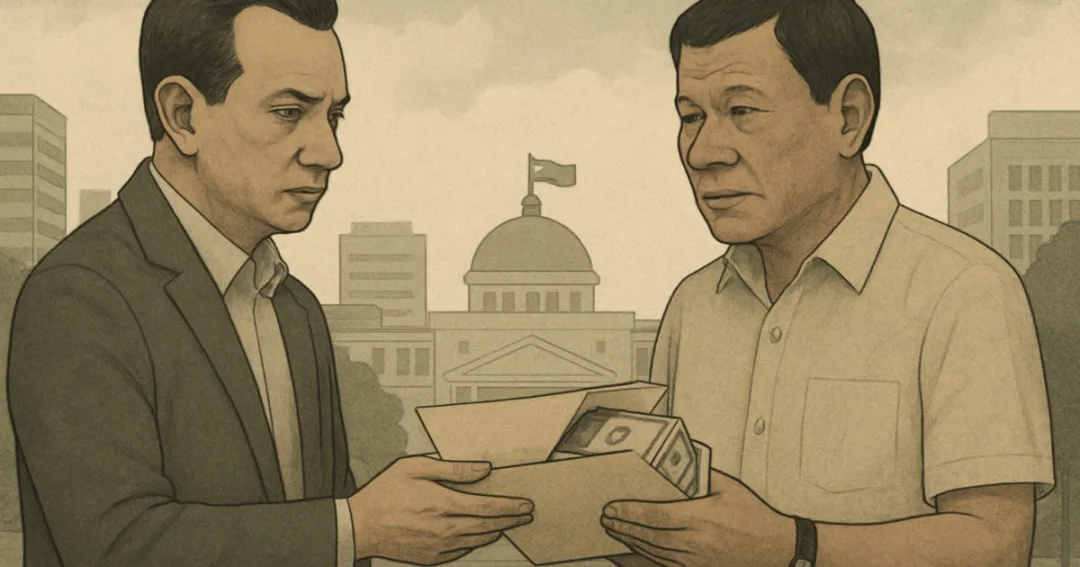
Allegations that former senator Antonio Trillanes has linked the Duterte family to substantial payments from businessman Sammy Uy have once again placed questions of money, power, and accountability at the center of Philippine political discourse. While the specific figure of P181 million has dominated headlines, the more important issue is not the exact amount, but the principle at stake: how relationships between public officials and private benefactors are managed, scrutinized, and explained. When such claims surface, they inevitably test public confidence in both the individuals involved and the institutions tasked with overseeing ethical conduct in government. Even when details remain contested or unproven, the perception that large sums may have moved between a political family and a businessman invites serious inquiry into possible conflicts of interest. In a political environment already marked by sharp polarization, these allegations deepen the need for calm, fact-based examination rather than partisan reflex.
This controversy does not arise in a vacuum. The Philippines has a long history of public debate over campaign financing, patronage networks, and the blurred lines between political influence and private capital. Over the years, various administrations have faced accusations of benefiting from business allies, whether through campaign support, consultancy arrangements, or other financial links. These patterns have contributed to a lingering skepticism about whether public decisions are always made in the national interest, or sometimes shaped by obligations to benefactors. Allegations such as those involving the Duterte family and Sammy Uy therefore tap into a familiar narrative, one that many citizens have seen recur across different political eras and personalities.
The key question now is how institutions respond. In a healthy democracy, serious financial allegations involving public figures should be addressed through established mechanisms: disclosure rules, investigative bodies, audit processes, and, where warranted, formal inquiries. These structures exist not only to determine whether wrongdoing occurred, but also to provide a fair venue where those accused can respond and clear their names if the evidence does not support the claims. When institutions act with independence and transparency, they help separate substantiated concerns from political noise. Conversely, when processes appear selective or perfunctory, they risk reinforcing public cynicism that accountability depends more on political alignment than on objective standards.
For the broader public, the relevance of this issue extends beyond the personalities involved. Questions surrounding large financial relationships between politicians and business figures go to the heart of how policy is made and whose interests are prioritized. Citizens have a legitimate stake in knowing whether key economic or regulatory decisions might be influenced by private ties rather than by impartial assessment of the common good. Even if no legal violations are ultimately found, unexplained or opaque financial arrangements can erode trust in government and weaken the moral authority of leaders to demand sacrifice, pay taxes, or comply with regulations. Trust, once diminished, is not easily restored, and it requires both accountability and clarity to rebuild.
Looking ahead, the country’s political and business communities would benefit from treating this controversy as a prompt for broader reform rather than merely another partisan battle. Stronger and more detailed asset disclosures, clearer rules on dealings between public officials and major donors, and more proactive publication of financial interests could reduce the space for suspicion to fester. At the same time, political actors making allegations share a responsibility to present verifiable information and to respect the role of institutions in adjudicating disputes. Ultimately, a culture of accountability cannot be sustained by outrage alone; it requires consistent, institutionalized transparency that applies regardless of who holds power. Whether the current claims lead to formal findings or not,