PAL FLIGHTS TO DOHA, DUBAI CANCELED
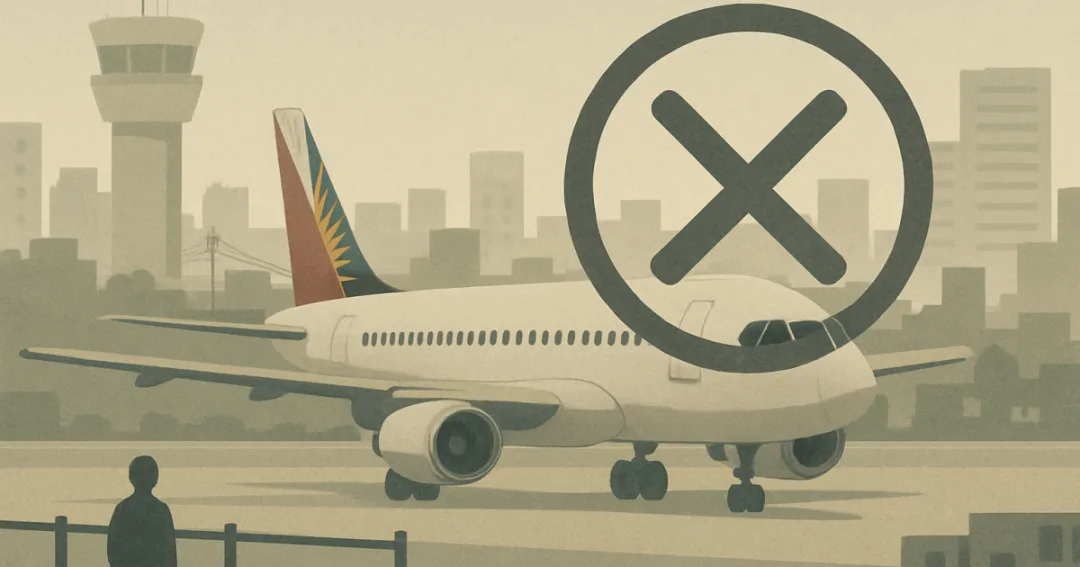
Philippine Airlines’ decision to cancel flights to Doha and Dubai has immediate consequences for passengers, but its significance extends beyond disrupted travel plans. These routes connect the Philippines to major transit and employment hubs in the Middle East, where many overseas Filipino workers live and work. When such flights are suspended, even temporarily, families face uncertainty, businesses must adjust logistics, and travelers are forced to navigate rebookings or alternative carriers. The issue matters because air connectivity is not merely a matter of convenience; it is a lifeline for economic activity, labor mobility, and personal ties that span continents.
Air travel disruptions are not new, and they often arise from a range of causes—operational constraints, safety considerations, regulatory changes, or broader geopolitical or economic pressures. Airlines worldwide have had to recalibrate their networks repeatedly in recent years, responding to fluctuating demand, rising costs, and shifts in regional stability. For a flag carrier, route decisions are especially sensitive, as they are seen to reflect not only commercial calculations but also national connectivity priorities. The suspension of flights to key Gulf destinations fits into this wider pattern of airlines carefully managing capacity while trying to preserve strategic links.
The cancellations also highlight how dependent many travelers are on a limited number of carriers serving specific corridors. When flights are withdrawn, the immediate result is a reduction in options and often an increase in travel time or cost, as passengers may need to transit through additional hubs. For workers on fixed schedules, businesses handling time-sensitive shipments, or families planning reunions, even short-term disruptions can have outsized emotional and financial impact. While alternative airlines may step in to fill some of the gap, the transition is rarely seamless, and information gaps about rebooking, refunds, and rights can deepen frustration.
From a broader perspective, this development underscores the need for more resilient and diversified connectivity between the Philippines and the Middle East. Reliance on a narrow set of routes and carriers makes the system vulnerable to shocks, whether from operational issues or external events. Strengthening coordination among airlines, regulators, and airport authorities can help ensure that contingency plans are in place and that passengers receive timely, clear communication when changes occur. In the longer term, expanding partnerships and encouraging healthy competition on these routes could provide a buffer against abrupt disruptions.
Ultimately, the cancellation of flights to Doha and Dubai serves as a reminder that aviation is both a business and a public utility of sorts, carrying obligations that go beyond balance sheets. Passengers will rightly expect transparent explanations, fair remedies, and realistic timelines for the restoration of services or the establishment of alternatives. For policymakers and industry stakeholders, the episode is an opportunity to revisit how air links to critical labor and trade destinations are safeguarded. As the global travel landscape continues to evolve, the measure of a robust aviation system will be its capacity not just to grow in good times, but to adapt and protect essential connections when challenges arise.