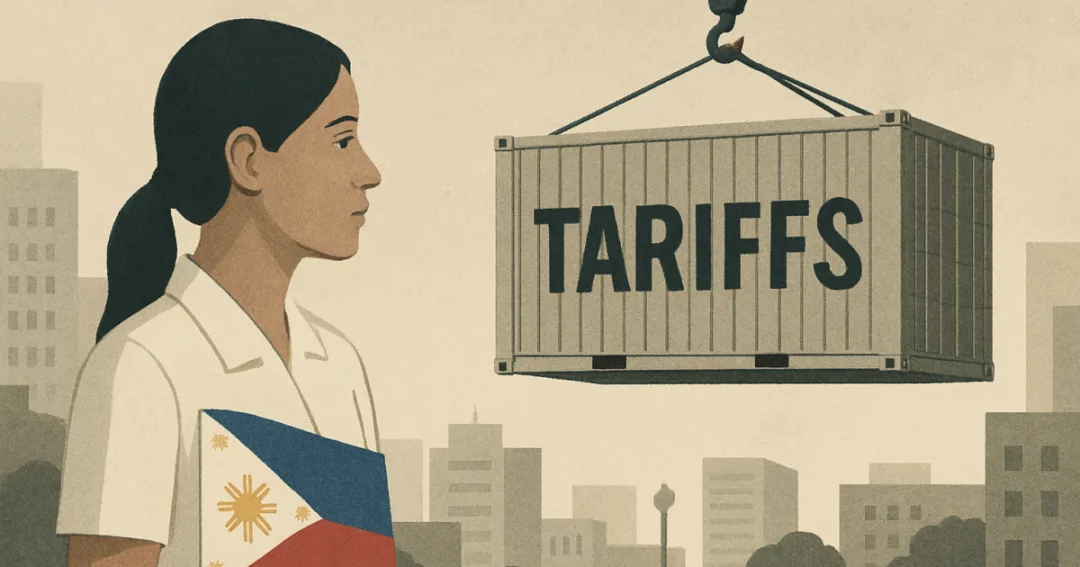
PHILIPPINES’ DOLLAR RESERVES SLUMP TO 16-MONTH LOW AT END-MAY
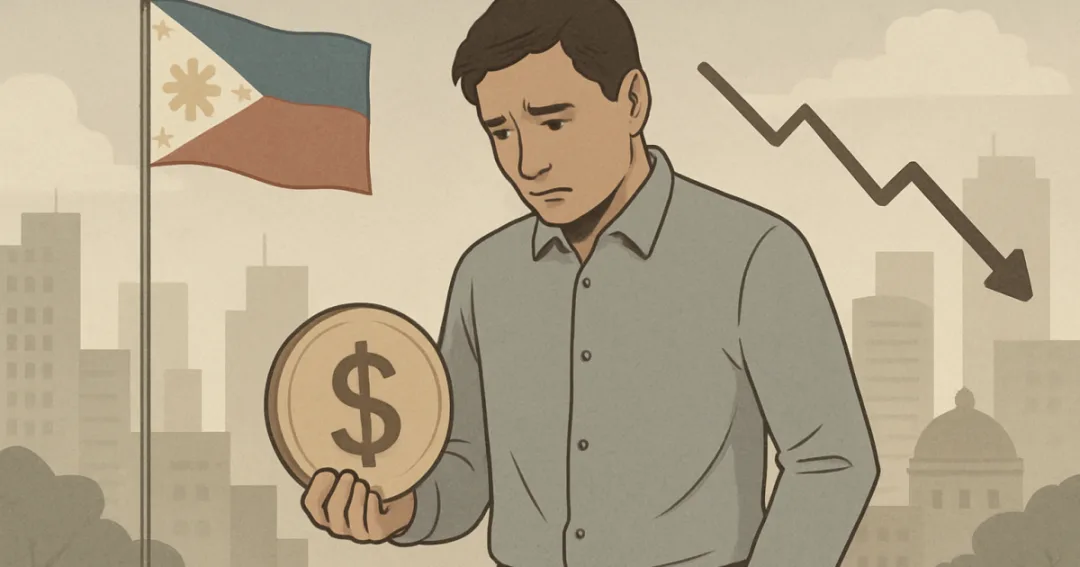
The recent decline in the Philippines’ dollar reserves to their lowest level in over a year and a half is a development that warrants sober attention rather than alarm. Gross international reserves are a country’s financial safety net, used to cushion the economy against external shocks, stabilize the currency, and reassure investors that obligations to foreign creditors can be met. When that buffer shrinks, even modestly, it naturally raises questions about the durability of the country’s defenses in a more volatile global environment. The headline figure itself does not signal crisis, but it is a timely reminder that external strength is not a given and must be actively maintained.
To understand why a dip in reserves matters, it helps to recall how the Philippines has managed through past periods of global stress. In earlier decades, low reserves left the country vulnerable to sudden capital outflows, sharp currency swings, and painful policy adjustments. Over time, authorities worked to build up a more comfortable cushion, aided by remittances, services exports, and access to global capital markets. This gradual strengthening helped the Philippines weather episodes such as financial crises and pandemic-related disruptions with more resilience than in the past. A recent slump in reserves, even from relatively healthy levels, therefore touches on hard-earned credibility that should not be taken lightly.
The current easing in reserves is occurring against a backdrop of elevated global interest rates, uneven growth, and shifting investor sentiment toward emerging markets. When major central banks tighten policy, capital often flows out of riskier assets and into safer ones, putting pressure on currencies like the Philippine peso and, by extension, on the reserves used to smooth volatility. At the same time, a country’s own external payments—such as imports, debt servicing, and investment income remittances—can draw down reserves if they outpace inflows. None of this is unique to the Philippines, but the combination of global and domestic factors can make reserve management more challenging and politically sensitive.
For the public, the significance of lower reserves is not always immediately visible, yet the stakes are real. A thinner buffer can limit the central bank’s room to intervene in the foreign exchange market without risking market confidence. It can also raise concerns among lenders and rating agencies about the country’s ability to absorb future shocks, potentially affecting borrowing costs over time. Ordinary citizens may feel the impact indirectly through exchange rate movements that influence the prices of imported goods, fuel, and eventually inflation. While a single data point does not determine these outcomes, a persistent downward trend would warrant closer scrutiny and clear communication from economic managers.
Looking ahead, the key issue is not the one-month level of reserves but the policy posture that follows. Authorities will need to balance the use of reserves to temper currency volatility with the discipline to preserve them for truly adverse conditions. Structural measures that support sustainable foreign exchange inflows—such as strengthening export competitiveness, diversifying services income, and maintaining investor confidence—remain more durable solutions than any short-term drawdown of reserves. The latest figures should therefore be read less as a cause for alarm and more as an invitation to reinforce the country’s external position through prudent management and long-term reform. In a world where shocks are becoming more frequent, resilience is not a static achievement but an ongoing commitment.

![[Good Business] How Filipinos Became Bridges Between Ph And New Zealand After 60 Years Of Ties](https://tarana360.com/articles/images/2026-06/good-business-how-filipinos-became-bridges-between-ph-and-new-zealand-after-60-years-of-ties-1080.webp)