RISA'S CALL FOR SENATE RECKONING OVER INCIDENT SETS OFF PIA OUTBURST
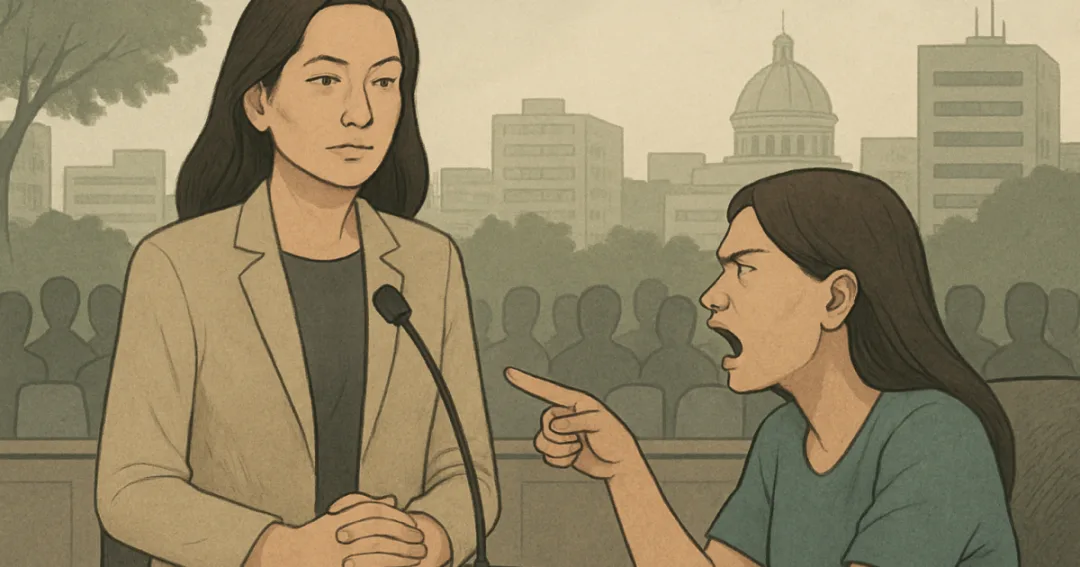
Risa’s call for a Senate reckoning over a recent incident, and the sharp reaction it drew from Pia, exposes not only a clash of personalities but also a deeper tension about how institutions should confront their own controversies. When one senator presses for accountability or formal review, and another responds with visible irritation, the public is left to interpret what is truly at stake. Is this a dispute about procedure, timing, and tone, or a more fundamental disagreement about what transparency should look like? The incident matters because it plays out in a chamber that is supposed to embody deliberation, restraint, and the careful balancing of interests. When disagreements there turn into outbursts, the signal sent to citizens is not simply about the issue itself, but about the quality of governance they can expect.
Episodes like this are not new in legislative history. Parliaments and senates around the world have long been arenas where calls for investigation or censure collide with concerns about fairness, due process, and political motivation. In many democracies, efforts to scrutinize an incident inside the institution can be perceived as either a courageous stand or an opportunistic move, depending on where one sits. This ambiguity often fuels emotional responses among colleagues who feel their integrity, or that of the chamber, is being implicitly questioned. Over time, such patterns shape public expectations: citizens either come to see these confrontations as healthy checks within the system, or as repetitive theatrics that rarely lead to substantive reform.
The exchange between Risa and Pia also raises important questions about internal accountability mechanisms. When a lawmaking body faces an incident that touches on its reputation, the instinct to protect the institution can conflict with the need to confront uncomfortable facts. Calls for a reckoning, whether through hearings, reviews, or internal discussions, are meant to reassure the public that no one is above scrutiny. Yet these same calls can be unsettling to colleagues who fear that procedural safeguards might be overshadowed by public pressure or media narratives. The challenge is to design responses that are rigorous but not vindictive, transparent but not performative.
For the public, the significance of this dispute goes beyond the personalities involved. Citizens are less concerned with who wins a verbal exchange and more interested in whether the institution emerges more credible and responsive. The way the Senate manages internal disagreements can either reinforce trust in democratic processes or deepen cynicism about politics as a perpetual stage for conflict. Calm, rules-based deliberation, even amid sharp differences, demonstrates that institutions can absorb tension without fracturing. Conversely, when debates are dominated by outbursts and personal affronts, the broader message is that emotional impulse can overshadow reasoned judgment.
Looking ahead, the more constructive path for the Senate is not to suppress disagreement, but to channel it through clear procedures and a shared commitment to institutional dignity. Risa’s insistence on reckoning and Pia’s outburst both point, in different ways, to anxieties about how the chamber is perceived and how justice is pursued within it. The test for the institution is whether it can transform this moment of friction into an opportunity to clarify standards, reaffirm norms of decorum, and strengthen internal checks. Ultimately, a mature democracy is not defined by the absence of conflict, but by its capacity to turn conflict into better rules, better practices, and a deeper culture of accountability. The public will be watching not only what the Senate decides about the incident, but how it chooses to decide.