STATEMENT ON THE FATAL INCIDENT OF RJ NICHOLE LEDESMA
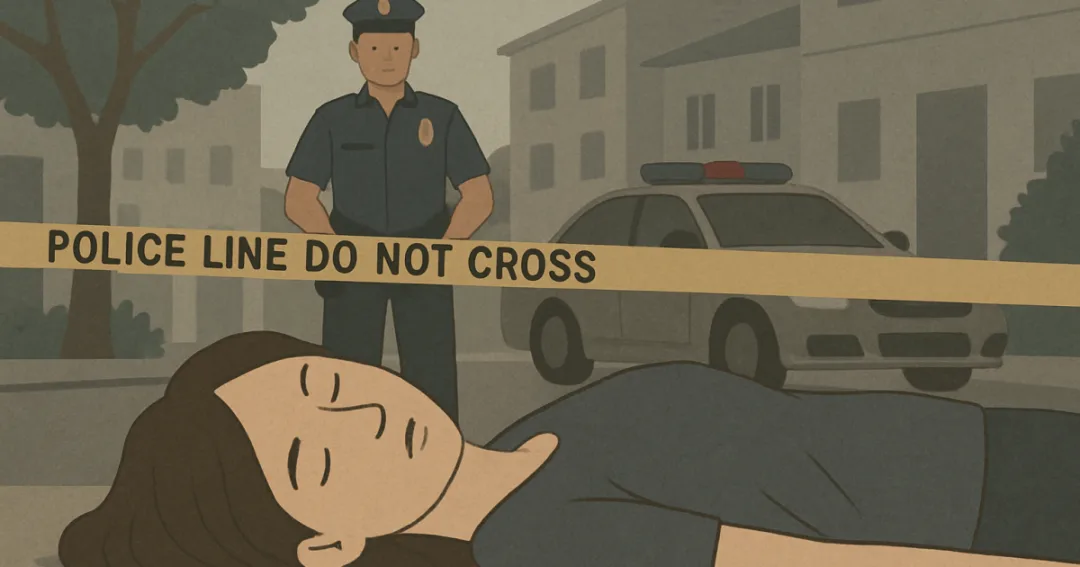
The reported fatal incident involving radio personality Nichole Ledesma has stirred a complex mix of grief, concern, and public scrutiny. When a media figure dies in sensitive or unclear circumstances, the impact extends beyond private mourning into the realm of public discourse. Audiences feel a particular closeness to broadcasters and presenters whose voices accompany them daily, and the loss of such a figure can feel deeply personal. At the same time, the nature of the incident raises questions about safety, accountability, and the pressures faced by those who work in the public eye. It is precisely in such moments that a calm, measured response is most needed.
This case also highlights how societies react when tragedy intersects with visibility. When an ordinary citizen dies in similar circumstances, the event may pass with limited attention; when it involves someone known to the public, it becomes a focal point for broader anxieties. Historically, incidents affecting journalists, broadcasters, and entertainers have often prompted debates about workplace protections, mental health support, and the risks associated with public exposure. They also test the capacity of institutions to respond with transparency while respecting due process. The current situation fits into this pattern, inviting a broader reflection on how societies safeguard those who serve as intermediaries of information and culture.
In such high-profile incidents, public conversation can quickly become fragmented between speculation, emotional reaction, and legitimate calls for justice. Social media platforms, in particular, can amplify unverified claims, inadvertently deepening the pain of those directly affected and complicating formal inquiries. Responsible reporting and commentary therefore become essential, not only to avoid misinformation but also to preserve the integrity of any ongoing investigation. Institutions tasked with establishing facts must be allowed to work methodically, while remaining aware that public trust depends on clear communication. A careful balance between openness and restraint is key to maintaining confidence in the process.
The incident also underscores the broader vulnerabilities faced by media workers, especially those who operate in highly competitive, ratings-driven environments. Behind the polished on-air persona lies a demanding profession that can involve irregular hours, public criticism, and intense performance pressure. While the specific circumstances of this case must be left to formal findings, it is fair to ask whether existing support systems for media professionals are sufficient. Conversations about safety, mental health resources, and ethical workplace cultures are not peripheral to this tragedy; they are central to preventing future harm. Industry leaders, regulatory bodies, and audiences alike have a stake in encouraging healthier conditions in the media sector.
As the investigation proceeds and more information gradually comes to light, it is important that public engagement remains thoughtful rather than reactive. Honouring the memory of Nichole Ledesma means resisting the urge to turn her death into spectacle, and instead using this moment to reflect on the systems and values that shape public life. Tragedies involving familiar voices can serve as difficult but necessary prompts to examine how societies protect those in visible roles and how they respond when protection fails. The hope is that, beyond the sorrow, this incident leads to more mature conversations about responsibility, care, and accountability in media and beyond. In that sense, the most meaningful legacy may lie not only in remembering a life lost, but in learning quietly and resolutely from its passing.