WHY GOOGLE PAY ADOPTION IS SLOW IN THE PHILIPPINES
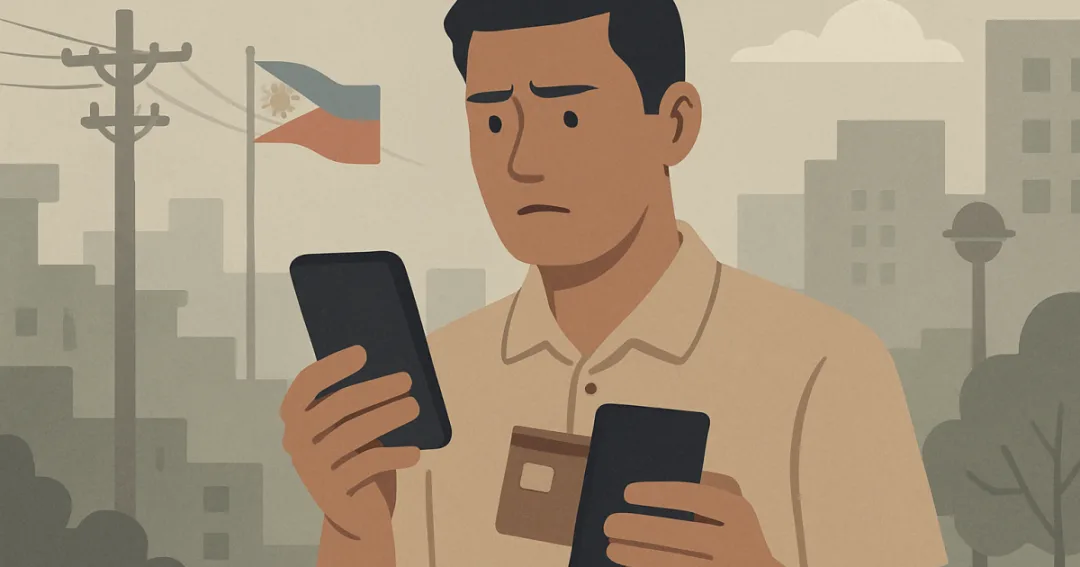
The slow adoption of Google Pay in the Philippines is a revealing case study in how global digital tools do not automatically translate into local habits. While smartphone penetration and social media use are high, the shift toward using international wallet platforms for everyday transactions has been more tentative. Many Filipinos still rely on cash or on domestic e-wallets that are already deeply embedded in daily life. This creates a crowded and cautious environment for any new entrant, even one backed by a major global technology firm.
Historically, the country’s financial landscape has been shaped by a large unbanked population and a long-standing dependence on cash-based transactions. Local payment solutions grew by positioning themselves as bridges between cash, mobile phones, and basic financial services, often through partnerships with familiar retail outlets and remittance channels. Over time, these platforms cultivated trust and routine; users became accustomed to topping up at neighborhood stores, paying bills through locally branded apps, and redeeming rewards in ways that felt tailored to their needs. In contrast, a product like Google Pay can appear more abstract, less rooted in the lived experience of consumers who prioritize practicality over brand recognition.
Trust and familiarity are central to this dynamic. For many users, financial tools are not just about convenience but about perceived safety, recourse, and the comfort of dealing with recognizable institutions. Local e-wallets have invested heavily in marketing, customer support, and visible partnerships that reassure consumers. By comparison, Google Pay may be understood more as a feature attached to a phone than as a primary financial service, which can limit its perceived relevance. In a market where people often associate money matters with physical presence and direct assistance, a relatively invisible, background payment system struggles to stand out.
There are also structural and ecosystem considerations that help explain the slow traction. Domestic payment networks, banking regulations, and merchant preferences tend to evolve around the first movers that gain scale, reinforcing their position. Merchants are more likely to promote what customers already use, and customers are more likely to adopt what merchants visibly accept, creating a feedback loop that favors established players. International platforms must then navigate not only regulatory requirements but also interoperability challenges and the need to integrate with systems that were not originally designed with them in mind. In such an environment, even a well-resourced platform can find itself on the periphery rather than at the center of digital commerce.
The experience of Google Pay in the Philippines underscores a broader lesson about digital transformation: technology alone does not guarantee adoption. Payment habits are social as much as they are technical, shaped by trust, history, and the everyday realities of how people earn, spend, and save. For global platforms, success in such markets may depend less on brand strength and more on patient adaptation to local practices, deeper collaboration with domestic institutions, and clear value beyond what existing options already provide. As the country’s digital economy continues to mature, the more interesting question may not be whether Google Pay eventually gains ground, but whether payment ecosystems can become more open, interoperable, and genuinely responsive to the diverse ways Filipinos choose to transact.